The Malaria Challenge: Fighting to Save Lives from a Preventable Disease
Read All Posts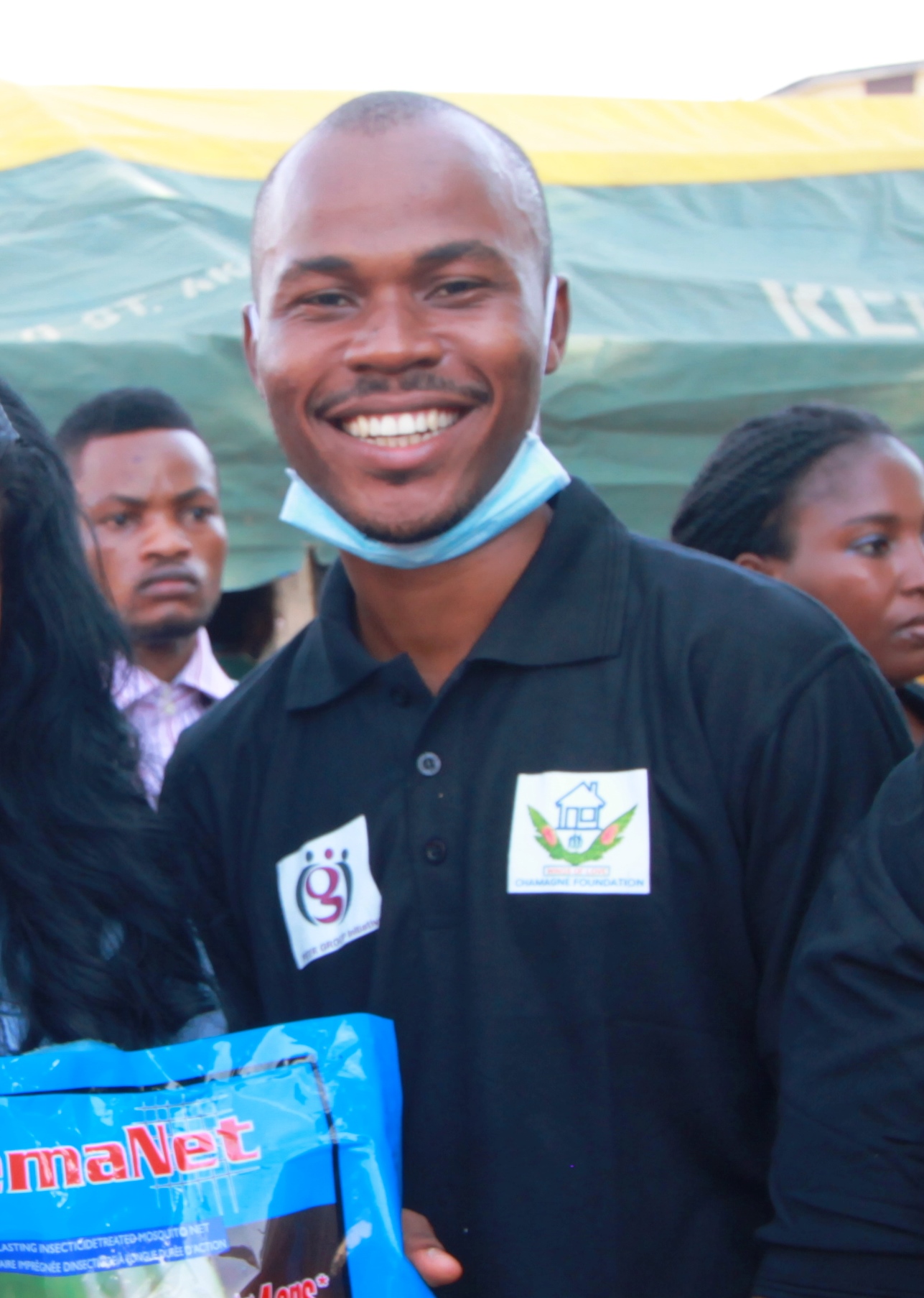
April 25th is World Malaria Day. Now in the 8th year of marking this day, we face an opportunity to evaluate our progress in fighting malaria, celebrate gains made, and hopefully reenergize our commitment to ending this disease. The fight against malaria has reached a crucial stage—since 2000, malaria mortality rates have fallen by nearly half. But this does not mean we should be complacent.
A staggering one billion mosquito nets have been delivered to African countries over the last fifteen years, but malaria continues to pose a huge challenge across the continent. There are growing issues with parasite resistance to anti-malaria drugs and mosquito vector resistance to insecticides. This calls for a robust, fast, and no-holds-barred approach to eliminating the disease.
Malaria is caused by the plasmodium parasite and is spread to humans through the bites of infected mosquitoes. The parasite infected 198 million people last year and killed an estimated 660,000. In its 2014 World Malaria Report, the World Health Organization hails the gains made in combating the disease but calls for a redoubling of efforts to kill off the disease once and for all.
Ray Chambers, the United Nations Special Envoy for Malaria said “while staying focused on the work ahead, we should note that the number of children dying from malaria today is markedly less than eight years ago. The world can expect greater reductions in malaria cases and mortality by the end of 2015, but any death from malaria remains simply unacceptable.”
I am a victim and survivor of malaria. I lost several primary school years to the disease because I had no mosquito nets. It was these experiences that instilled in me a deep passion to combat malaria—this is why I founded the Iba Malaria Eradication Foundation.
In working to combat malaria for the past five years, I have come to realize that we need simple yet effective solutions to end this 100% preventable disease.
Community-Oriented Solutions
I live in Lagos State, the commercial hub of Nigeria. Despite the best efforts of the waste management authority, Lagos still struggles with the amount of refuse strewn in gutters and on the streets. A dirty environment is rich ground for mosquitoes to breed and harbor malaria.
Through one of our programs—Kick Out Malaria—we stress the importance of cleaning up communities where we implement our malaria push-back programs. We educate, install waste bins, and cart away garbage to proper disposal sites.
Taking a lesson from the rigorous public advocacy that went into fighting Ebola, we plan to organize a ‘don’t dump your refuse indiscriminately’ campaign. We will target nursery/primary schools up to the highest levels of community organizations. The campaign will be effective if the government can increase citizens’ access to waste bins, adopt stiffer penalties for waste infractions, invest in recycling, and employ cleaners and community watchers.
Looking Beyond the Use of Insecticides
Through my organization, we have distributed thousands of Long Lasting Insecticide Treated Nets (LLINs) among both rural and urban communities. As effective as LLINs are, they are sometimes limited in that they don’t always work well in the cultural context. The average Nigerian family is between 4-5 individuals, and they usually sleep in the same bed. How do five people sleep together in a hot, stuffy, environment without anyone ending up outside the protective borders of the net?
The use of insecticide sprays is also not sustainable economically. At Iba Foundation, we are currently looking at how to use environmentally-friendly technology solutions to help Nigerians control their mosquito population, possibly even a solar-powered mosquito trap.
21st Century Malaria Education
People often take fever symptoms as evidence for malaria. I have encountered adults who believe that staying under the sun for too long, drinking bad water, or eating too many nuts causes malaria. The Lagos state primary school curriculum only has 2-3 lines on malaria!
At Iba Foundation, we have built a malaria mobile app available on the Google Play Store to make malaria education available for Nigerians at the touch of a button. Poor malaria education and awareness is also the reason we have published an educational comic book which will be translated into four major languages and will reach millions of children.
In addition to simple solutions to educate citizens, we need proper treatment and diagnosis for all affected—especially the most vulnerable populations like pregnant women and children under five years old. This World Malaria Day, I encourage you to take time to celebrate how far we have come, then consider your own role in developing or supporting the simple solutions that will ultimately work together to end this totally avoidable disease.
Salu Mayowa is a 2014 Social Entrepreneurs Transforming Africa (SET Africa) Fellow, 2015 Mandela Washington Fellow and the founder of Iba Malaria Eradication Foundation in Nigera.